


I started writing a history of ATypI in 2018, with backing from the association’s Board of Directors. I researched and wrote an initial chapter, explaining how and why the association was created, and I gave a talk about the project at the 2019 ATypI conference in Tokyo.
But ATypI, like so many other organizations, got clobbered by the pandemic, and the project got derailed. At the first in-person conference after the pandemic, in Paris in 2023, I gave another talk, about where ATypI came from and why.
I’ve been publishing draft chapters here as I completed them. Now that the history is completed, it will end up as a digital book – a responsive digital book, with any luck – in time for the Stanford conference at the end of May. At which time I will give a third talk, introducing the finished book.
Which indeed I did, and the book is now published and publicly available: Type is everywhere: a history of the Association Typographique Internationale
John D. Berry
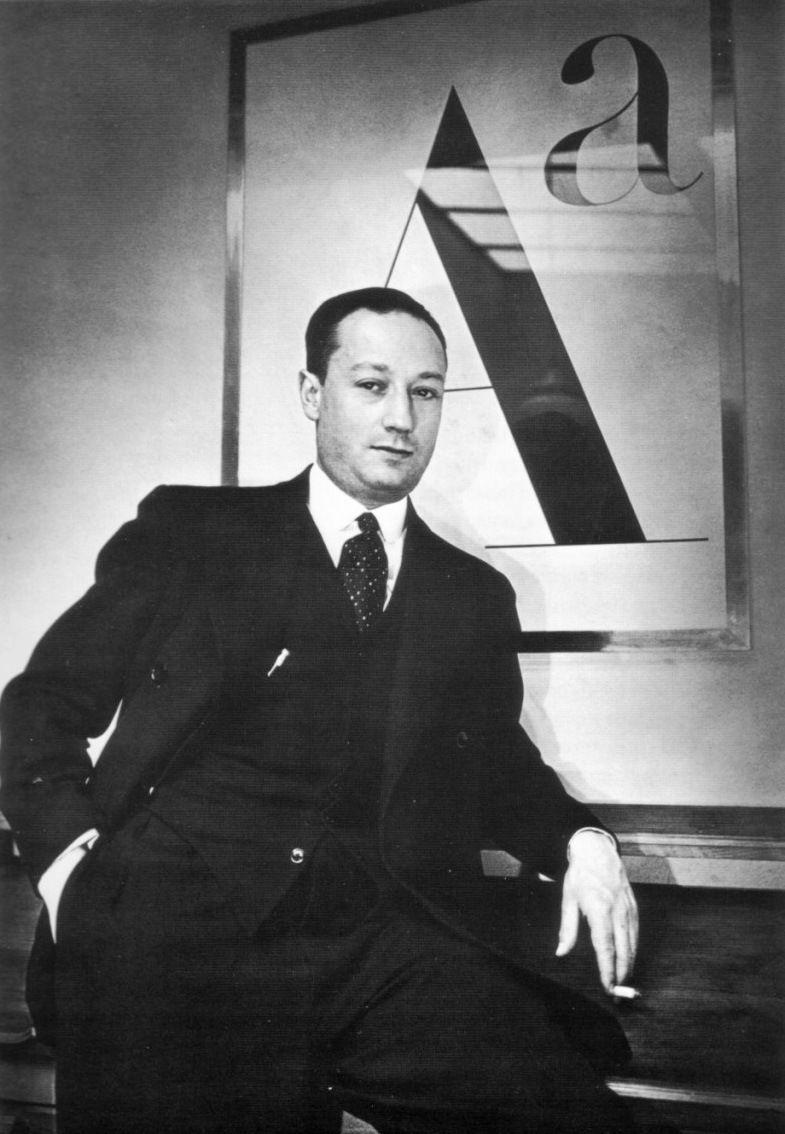
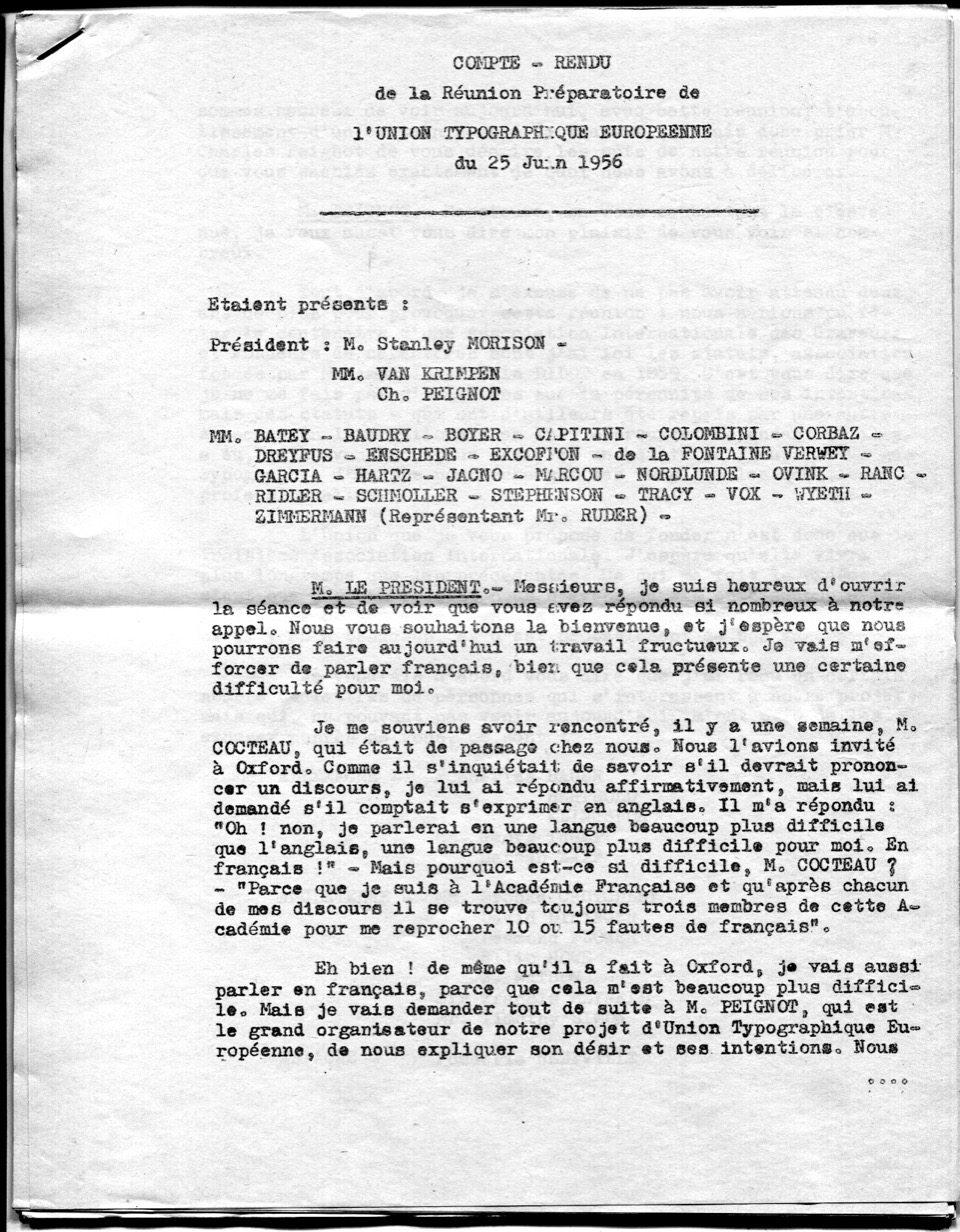
ATypI President 2007–2013[Images of ATypI founder Charles Peignot and a typed report on the proposal for the organization.]
-
The early years
The Association Typographique Internationale was founded in 1957 through the vision and energy of Charles Peignot, president and general director of the Deberny et Peignot type foundry in Paris. Read more →
-
ATypI in the 1960s
In the 1960s, the Association continued its efforts to achieve international protection for the designs of typefaces. Read more →
-
Le Code moral
ATypI’s Code Moral (Moral Code) was an attempt to establish a set of ethical guidelines for the design, marketing, and manufacture of typefaces. It was meant to be agreed upon and put into practice by all members of the association. Read more →
-
ATypI in the 1970s
This decade saw the creation of the Committee for Education in Letter Forms, which would be a driving force in ATypI’s educational efforts for type and typography. (The name of the committee occasionally morphed, even in English; one version said it was for education in “Letterforms and Related Characters.”) Read more →
-
ATypI in the 1980s
The 1980s saw the desktop revolution transform digital publishing – a technological revolution that had enormous effects on both the business of type and the practice of typography. Read more →
-
Type90: Oxford, 1990
Type90 was by far the largest ATypI event up to that time; indeed, it could properly be called a conference rather than a congress. Inspired by and organized by chairman Roger Black, with the heroic organizational abilities of conference manager Carol Wahler, it took place over several days in the heart of Oxford. Read more →
-
ATypI in the 1990s
After Type90, ATypI’s reach was wider and more public than ever before. Read more →
-
A legal interlude
From early in the association’s existence, the hope had been that ATypI could be a forum where business disputes over typeface designs and rights might be worked out, rather than taken to court. Read more →
-
ATypI’s educational outreach
Typography is not just a business; it’s a cultural practice that makes the wide dissemination of written communication possible. From the beginning, ATypI expressed as one of its goals to increase knowledge of type and typography around the world, even if that wasn’t its early focus. Read more →
-
ATypI in the 2000s
At the cusp of the millennium, ATypI returned to what had once been Eastern Europe and was now part of the reunited Germany: Leipzig. Read more →
-
Typ09: Mexico City 2009
The Board had been considering future venues for the conference, and one of the countries considered was Mexico. It would be a very different direction for ATypI: our first conference in Latin America. Read more →
-
ATypI in the 2010s and beyond
When ATypI’s annual conference returned to Europe in 2010, it landed in Dublin, home of a long intellectual, literary, and typographic tradition. Read more →